
Construction has seen major changes over the past few decades.
Tools have evolved for Rock Removal, machines have advanced, and many tasks that once required manual work are now handled with built-in technology. But for a long time, one part of the industry never changed at all. Rock removal stayed slow, loud, and expensive. Contractors used the same hydraulic breakers year after year, and every rock job came with the same problems.
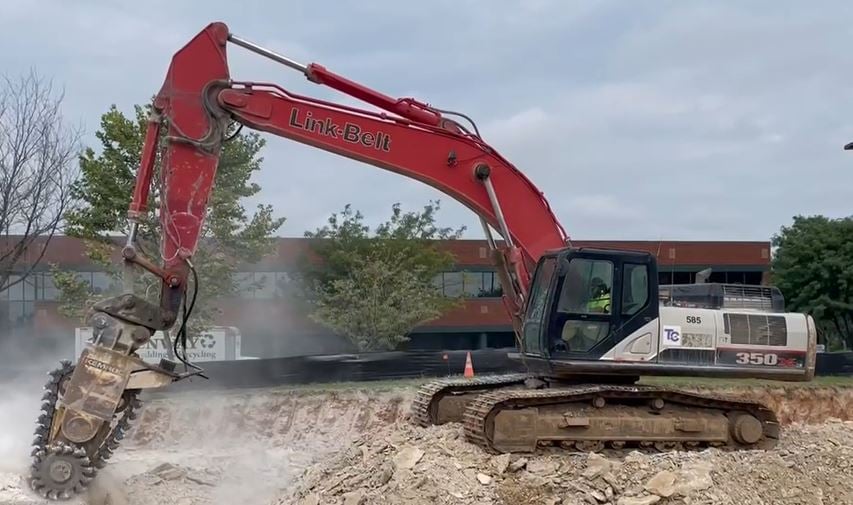
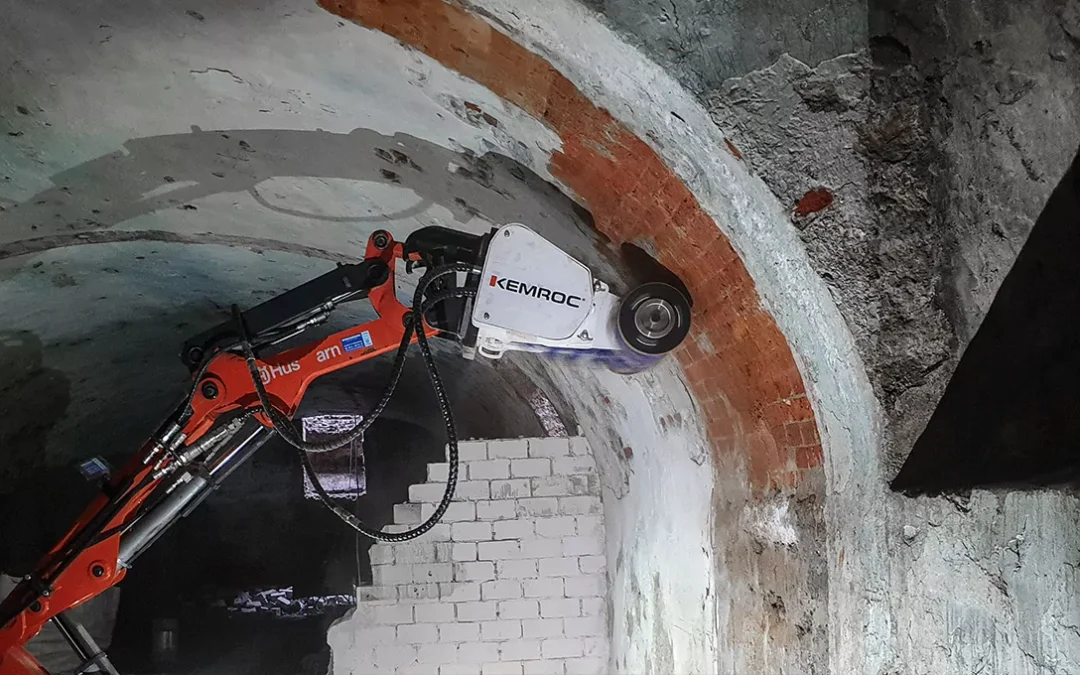
That is why KEMROC cutters created such a major shift. After forty years of being used in Europe, the technology finally reached the United States and introduced a new way to remove rock with an excavator.
The Evolution of Construction Equipment
If you have been in construction long enough, you have seen technology transform the way crews work. Grade sticks have been replaced with GPS. Layout is faster. Machines do more. Yet even with all that progress, digging in rock always felt stuck in the past.
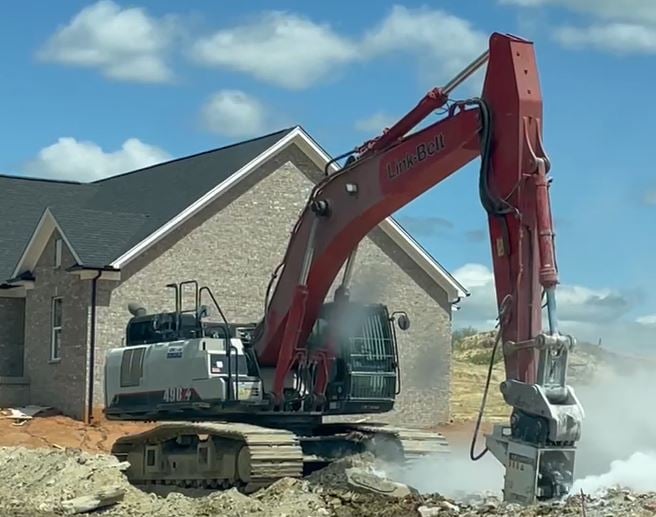
Hydraulic hammers dominated the market. They worked, but they were slow and created oversized spoil that required crushing or hauling. They wore themselves out, and operators often spent long days listening to the same steady impact. Rock jobs took longer than they should, and the equipment downtime was constant.
The First Look at a New Rock Cutting Method
The first time we saw a KEMROC EK-150 chain cutter was at the Utility Expo in 2021. It looked like a major step forward, so we rented one to test it on a project in Stony Brook, Indiana. The job was scheduled for three full weeks of mechanical rock removal.
We finished in three to five days.
It was not just the speed that stood out. The spoil went right back in the trench. The trench stayed tight at the top and bottom. The cleanup was almost nothing. That one job showed how much could change when rock cutting replaced hammering.
Real Results on Early Projects
The pattern repeated on the next project. What started as another three-week rock removal plan turned into a six-day job. There were no oversized piles of stone. There were no wide trenches to backfill. The crew did not spend days tearing down a hammer on the shop floor.
Cutting took the same excavator, the same ground conditions, and delivered results weeks faster.
Why Contractors Are Moving Away From Hydraulic Hammers
Anyone who has owned a hammer knows the routine. You walk into the shop and the tool is torn apart. Parts are on the floor. Someone is waiting for seals, nitrogen, or a rebuild kit. The downtime adds up fast.
Hammers struggle in wet ground, too. If the trench has standing water, the hammer is at risk of failure. Crews end up pumping and fighting water just to finish the last few inches of rock.
KEMROC cutters do not have these problems. They can run underwater without any issue. They grind the material instead of beating against it, which reduces wear and keeps production consistent.
Choosing the Right Cutter for the Job
Each KEMROC attachment has a purpose, which gives contractors something they have never had before: a specific tool for each type of rock removal.
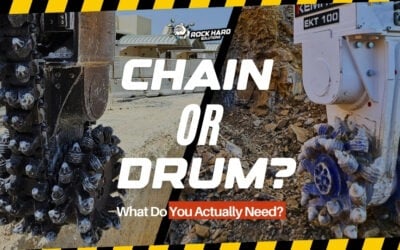
- Chain cutters (EK Series): Ideal for trenching because they hold a consistent width from top to bottom. They can also be used on mass rock for perimeter cutting.
- Drum cutters: Best for mass rock because they cover wider areas and allow operators to swing the attachment for faster production.
- Bullhead cutters: Designed for harder material and tight utility spaces.
Having options means contractors no longer rely on a single tool that tries to do everything.
How Cutting Changes Project Planning
Once cutting is introduced, job schedules change. What used to take weeks can be finished in days. Crews reuse the spoil instead of hauling it. Wide trenches are avoided. Water does not stop production. The equipment stays in service instead of sitting in the shop.
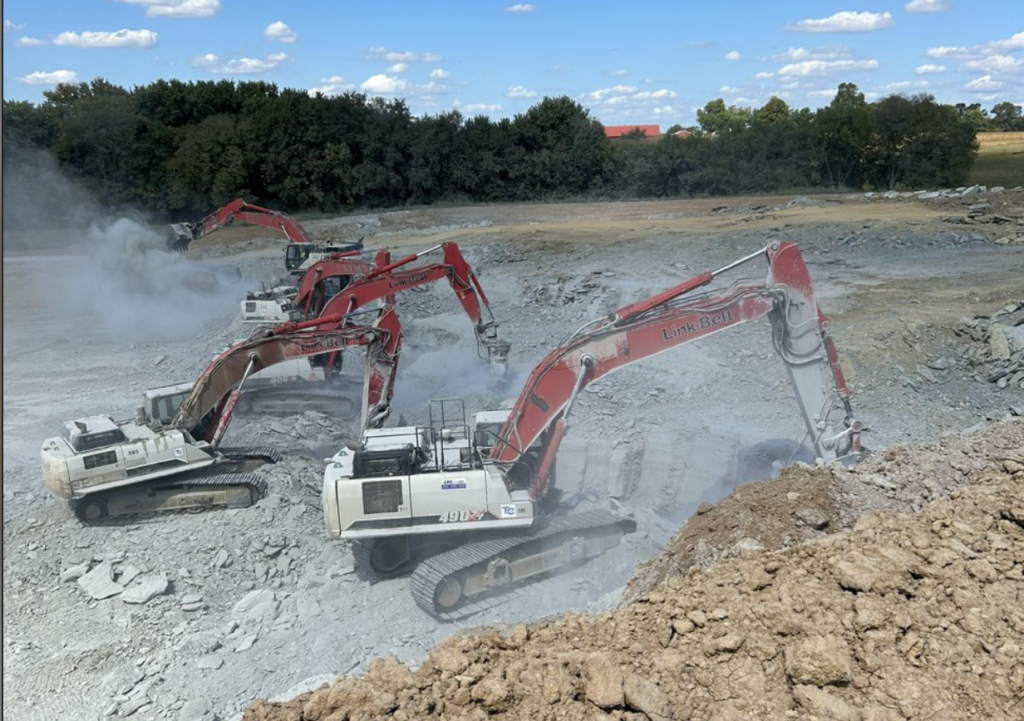
These improvements come from the same excavator you already own.
Ready to Move Beyond Old Rock Removal Methods
If you want to see how cutting can change your next project, we can show you. Our team works with these attachments every day and understands how they perform on real sites.
Call us for a free quote: (502) 305 8480
Visit the website for demos and equipment information: www.rockhardsolutions.com
Email our team: scott@rockhardsolutions.com
With the right attachment, you can replace slow, expensive hammering with a cleaner and more predictable way to remove rock.ard. If you want more control over your rock projects, this is the path forward.