
When you have been around hydraulic breakers long enough, you know the feeling.
The hammer stops hitting the way it should. The machine slows down. The operator backs off. And everybody on the job already knows what is coming next.
Downtime.
That is one reason more contractors are starting to look harder at the hydraulic breaker vs drum cutter conversation. Not because breakers are new to them. Because they are tired of dealing with the same problems over and over again.
A breaker goes down. The machine sits still. The crew waits. The schedule slips. Then the repair bill shows up on top of it.
That is the breaker nightmare.
Why Breakers Turn Into a Headache
Hydraulic breakers may look simple from the outside, but they are not simple machines inside.
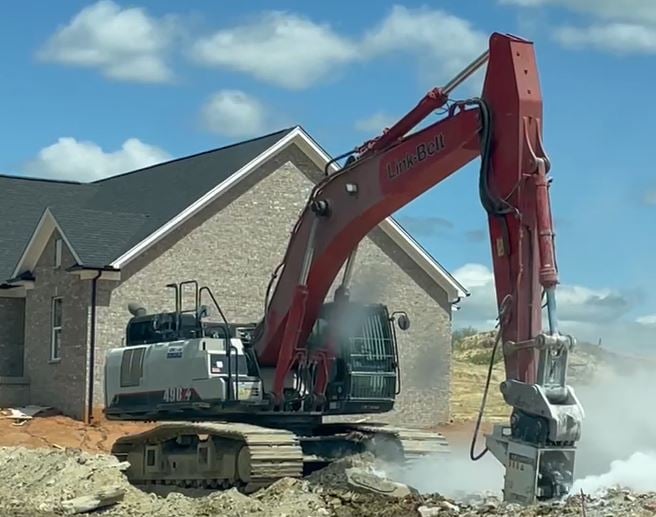
You have pistons, seals, bushings, valves, and a lot of internal parts taking a beating every time that tool hits rock. A breaker does its work through violent impact. The problem is that same impact is also hard on the attachment itself.
All that vibration is rough on the breaker, rough on the excavator, and rough on the operator.
Sooner or later, something wears out, something cracks, or something fails. Then the breaker is down and the real cost starts.
It is never just the parts and labor.
It is the lost production that hurts.
The Real Cost of Breaker Downtime
When a breaker is down, the excavator is not producing. The crew is waiting around. The rest of the job starts backing up behind it.
That is where the cost starts stacking up fast.
And even when the breaker is working, there is still another problem.
It is slow.
A breaker chips at rock. It punches at it. You keep repositioning, making pass after pass, burning time and fuel just trying to keep moving. So now you have an attachment that costs a lot to repair and takes longer to get the work done.
That is why the hydraulic breaker vs drum cutter discussion matters so much on jobs where production and uptime matter.
Hydraulic Breaker vs Drum Cutter: What Changes
A drum cutter works in a completely different way.
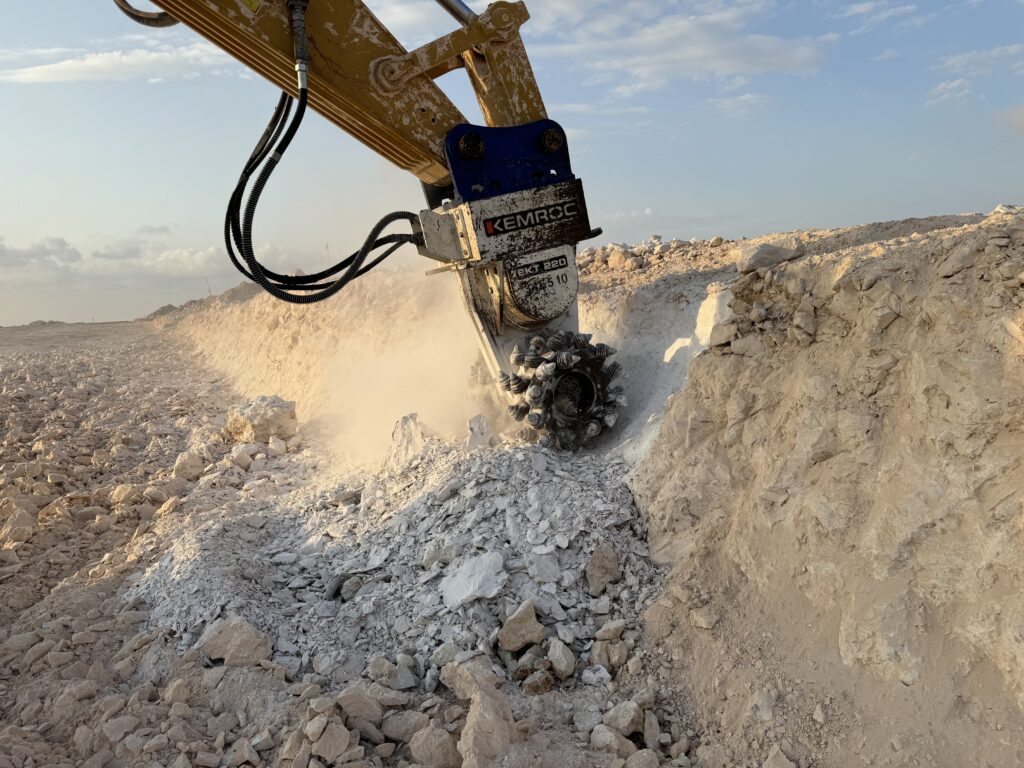
Instead of hammering the rock with repeated impact, it cuts through it with smooth, continuous action. That changes a lot on the job.
There is less vibration. Less shock load. Less of the pounding that beats up the attachment and the machine carrying it.
That also means fewer maintenance headaches compared to what contractors are used to dealing with from breakers.
When you compare hydraulic breaker vs drum cutter, this is one of the biggest differences. One method relies on impact. The other relies on controlled cutting.
That matters for the attachment. It matters for the excavator. And it matters for the pace of the job.
Why More Contractors Are Switching
A lot of contractors are not switching because they wanted to try something new for the sake of it.
They are switching because they got tired of the same cycle.
Breaker starts acting up. Productivity drops. Repair costs pile up. Downtime keeps showing up at the worst time. Then it all happens again.
That gets old fast.
Cutters give contractors another way to handle rock excavation. Instead of beating rock apart, they cut it. On the right jobs, that means smoother operation, better production, and a lot less trouble with maintenance.
That is why more crews are taking a serious look at the hydraulic breaker vs drum cutter question instead of just going back to what they have always used.
What We Saw in Our Own Work
This is not theory for us.
My family runs T&C Contracting, and for years we did what most contractors do when we hit rock. We grabbed the hydraulic breaker and went to work.
But over time, we kept seeing the same issues. Breakers wearing out. Repair costs piling up. Production slowing down. More vibration. More downtime. More frustration.
Then we started working with drum cutters and chain cutters.
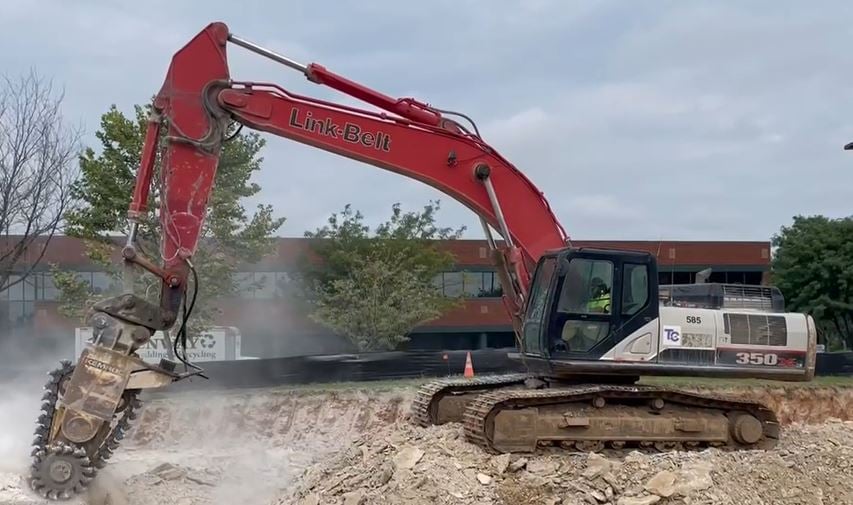
Once we started using cutters in our own construction company, the difference was obvious. Production improved. The machines ran smoother. And the maintenance problems dropped off in a big way.
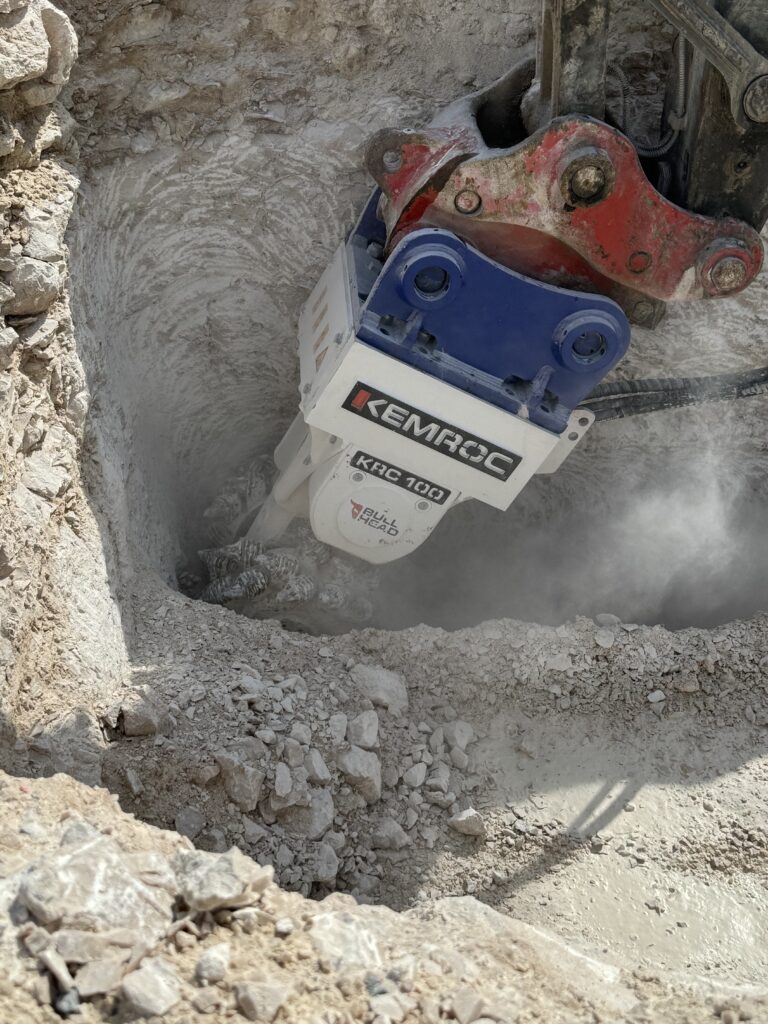
The results were strong enough that we replaced all of our hydraulic breakers with a fleet of KEMROC cutters for our day to day work.
That is what led me to become a dealer.
I had already seen firsthand how much time and money this technology could save, and I realized most contractors in the United States still did not know it was an option.
Built for a Different Kind of Wear
Another big part of the hydraulic breaker vs drum cutter comparison is how the wear happens.
A breaker takes internal abuse every time it fires. That is just the nature of impact work.
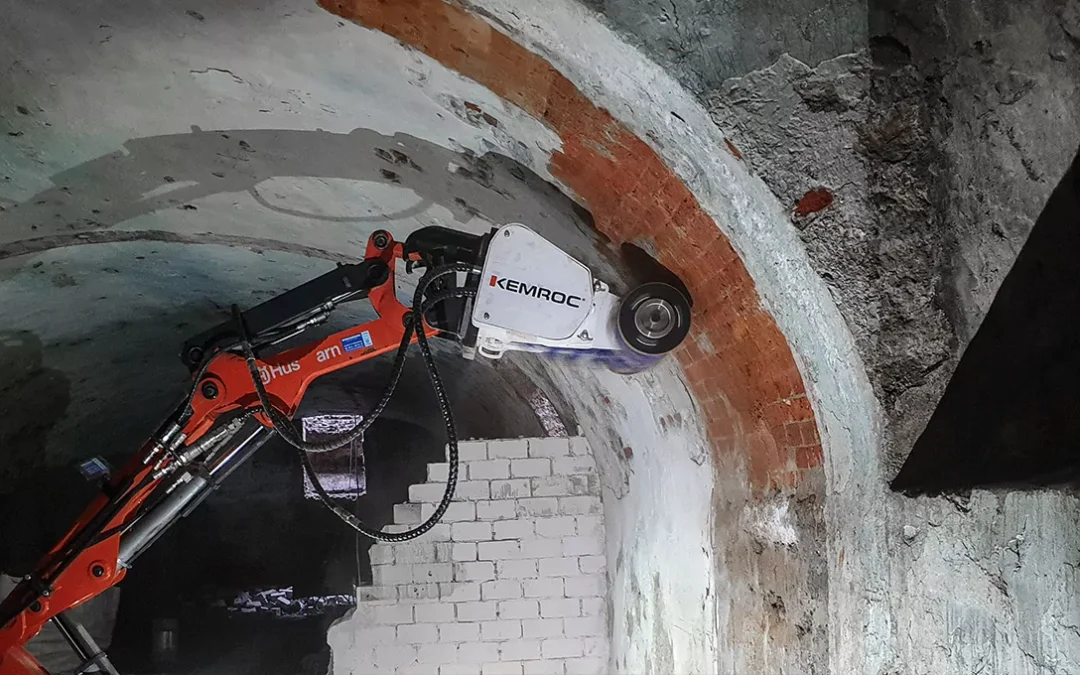
A drum cutter is built differently. KEMROC cutters use heavy duty gearboxes and rotating drums to keep cutting through material in a smooth and controlled way. The wear happens mainly on the cutting picks, and those can be replaced quickly and at a much lower cost than a major breaker rebuild.
That is a big difference for contractors who are tired of seeing breakers torn apart on the shop floor.
The Production Difference Is Hard to Ignore
Maintenance is one part of this.
Production is the other.
In many applications, a drum cutter can be three to five times more productive than a hydraulic breaker. That kind of difference changes the pace of the whole job.
What takes a breaker several days of hammering can often be done in a fraction of that time with the right cutter setup.
That means faster progress, fewer breakdowns, less wear on the machine, and a lot less time spent fighting slow rock removal.
When contractors compare hydraulic breaker vs drum cutter in the field, this is where cutters start making a lot of sense.
Why This Matters on Real Jobs
On a real project, nobody cares how familiar the old method is if it keeps slowing the work down.
What matters is production. What matters is uptime. What matters is keeping the machine running and getting through the rock without constant maintenance issues dragging the job down.
That is why more contractors are making the switch.
They are tired of downtime. Tired of repair bills. Tired of slow progress. Tired of fighting the same breaker problems year after year.
A cutter gives them a better option.
Final Thoughts on Hydraulic Breaker vs Drum Cutter
If you are tired of dealing with breaker downtime, expensive repairs, and slow production, it may be time to take a serious look at the hydraulic breaker vs drum cutter question.
For a lot of contractors, the answer is getting pretty clear.
Cutters give you less vibration, less wear, fewer maintenance headaches, and much better production on the right jobs. Instead of beating rock apart, they cut through it.
That is a better way to work.
At Rock Hard Solutions, we work with contractors every day who are looking for a more efficient way to handle rock excavation. If you want to see whether a KEMROC cutter makes sense for your next project, reach out and let’s talk.