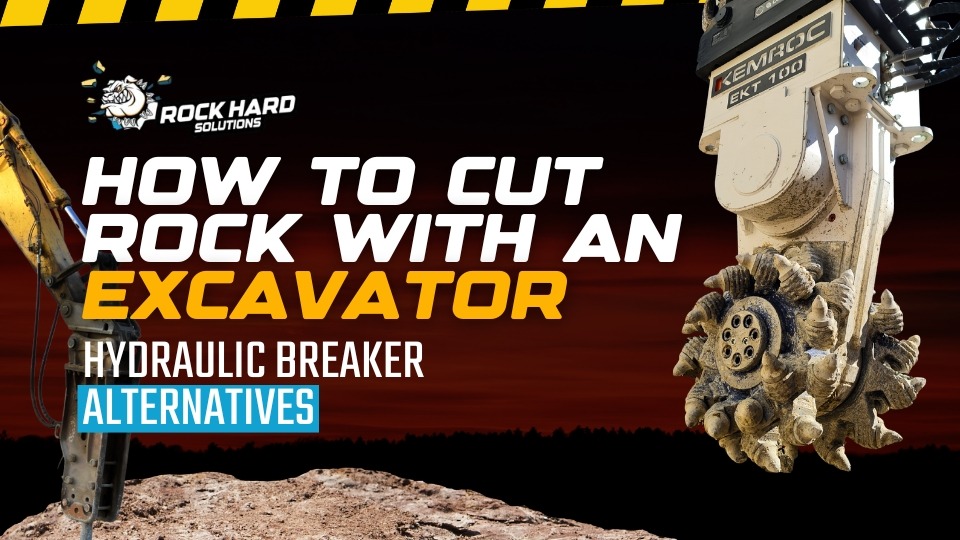
If you are searching for ways to cut rock with an excavator…
…you are probably dealing with slow production, worn-out hammers, or tight schedules that a breaker simply cannot keep up with. Most contractors start with a hammer because it is familiar, but once the work gets deeper or harder, the limits show up fast. That is why many crews are now using cutting attachments that turn a regular excavator into a rock trenching machine.
This guide explains what KEMROC cutters do, how they compare to rock trenchers and breakers, and why contractors are switching to cutting technology on real projects.
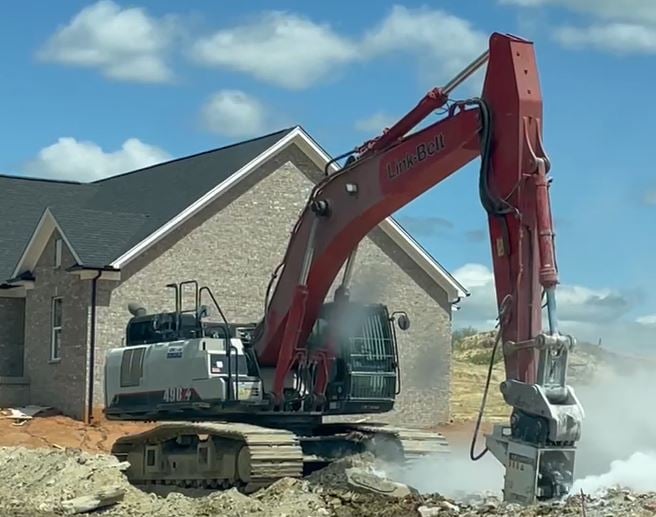
Why Hydraulic Breakers Slow Jobs Down
Hammers work, but they work slowly. Breaking rock a few inches at a time creates delays, downtime, and oversized material that must be hauled away or crushed. The vibration and shock also put constant wear on the excavator.
Another major issue is cost. Even a well-maintained breaker can end up back in the shop waiting for a rebuild. Contractors often lose days of production while paying for labor, fuel, and repairs that continue to climb.
These limitations pushed many contractors toward rock trenchers. Trenchers helped speed up rock removal, but they brought new problems. They are large, expensive, and sit unused when the job changes.
Why Rock Trenchers Became Popular, and What They Still Get Wrong
Rock trenchers were created because hammers could not keep up with deep trenching jobs. A trencher is faster and more consistent than a breaker, but the price is high. It is not unusual for a new rock trencher to cost over a million dollars. When the job is finished, the contractor still has a large machine on the lot, and the payments continue whether it is being used or not.
That lack of flexibility is why so many crews started looking for a solution that could match the performance of a trencher but fit into their existing fleet.
Turning an Excavator Into a Rock Trencher
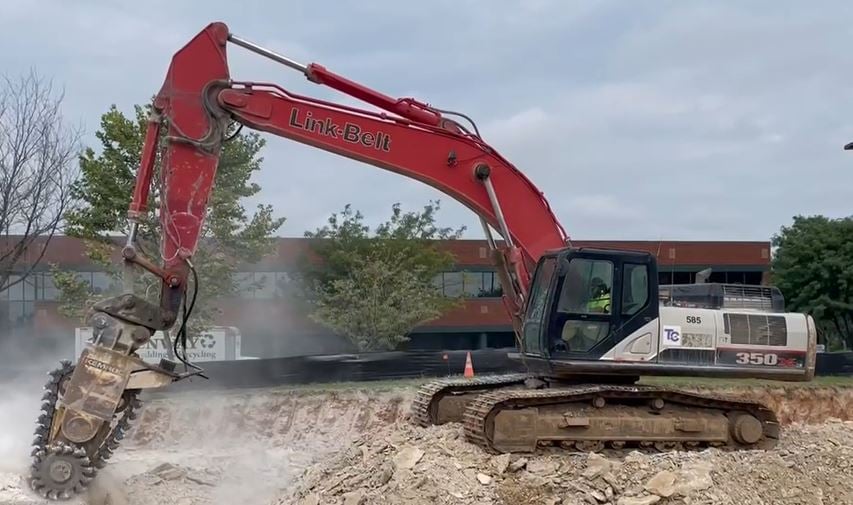
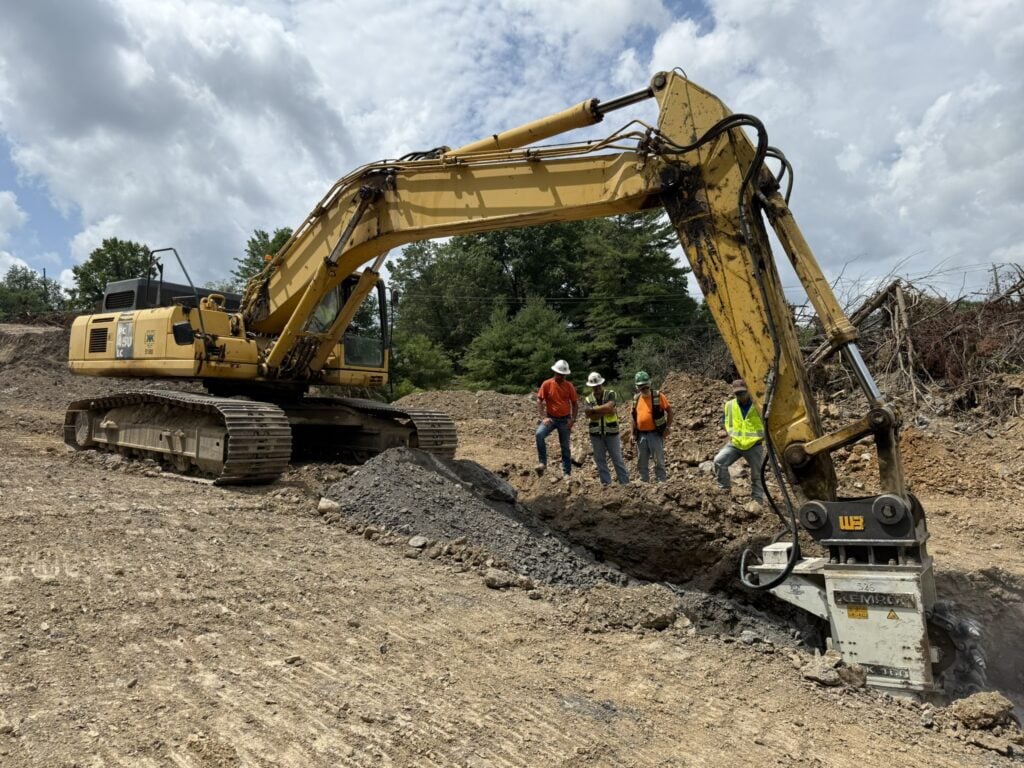
KEMROC cutters solve the problem by mounting directly to machines contractors already own. Instead of buying a dedicated trencher, crews can attach a cutter and get the same capability with far more flexibility.
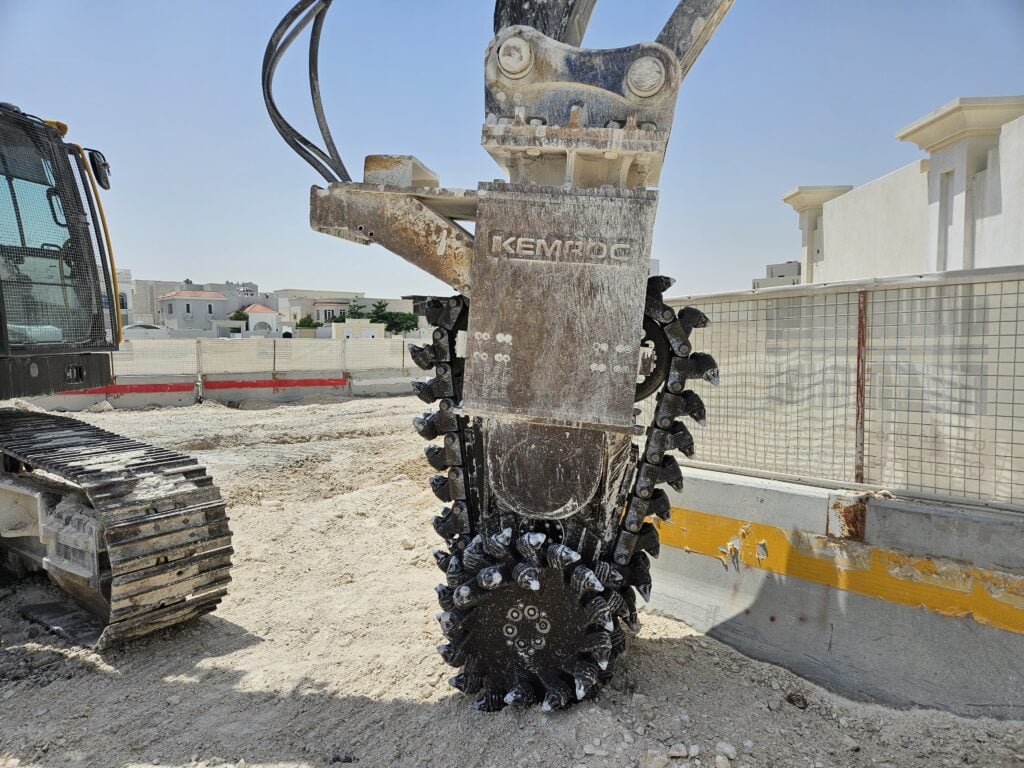
For example, the EK Series chain cutter gives an excavator the ability to cut a clean trench with a controlled profile. It removes rock in a continuous cutting motion and produces spoil material that can be reused. When the rock work is done, the operator can remove the attachment and return the excavator to regular tasks.
Contractors get the performance of a trencher without the price, storage needs, or downtime of owning a single-purpose machine.
A First Look at the KEMROC Chain Cutter
The first time a chain cutter appeared at the Utility Expo, it stood out immediately. It looked like someone took the power of a rock trencher and scaled it down to mount on an excavator. That design caught attention because it solved an old problem in a new way.
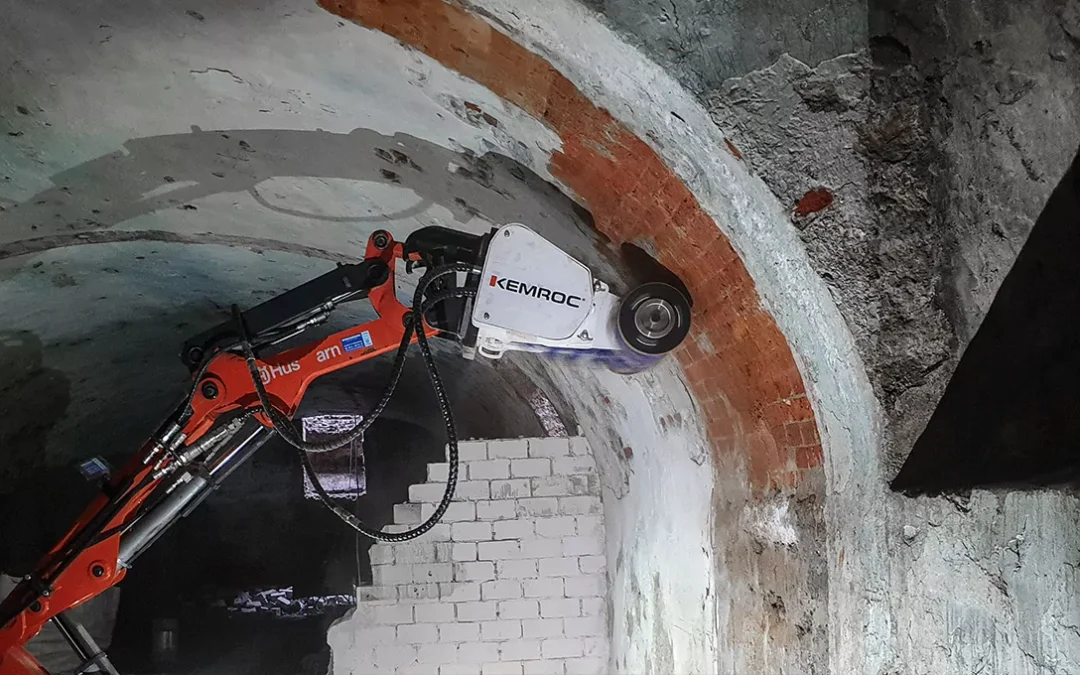
Cutters remove rock by grinding instead of striking. This avoids the shock load a hammer creates, protects the excavator, and keeps the attachment running steadily. For contractors facing tight deadlines, that change alone makes a major difference.
Why This Excavator Technology Matters
Cutters reduce downtime, increase production, and simplify the entire workflow of rock trenching. They eliminate oversized spoil, reduce the need for extra handling, and help contractors work in mixed soil, wet conditions, and variable rock without having to change equipment.
They also make the economics more predictable. Instead of paying for repairs, rebuilds, and replacement parts on a hammer or investing in a trencher that sits idle between jobs, contractors can use the equipment they already own and add cutting capability only when needed.
How Rock Hard Solutions Helps Contractors Use Cutters in the U.S.
KEMROC technology has been used in Europe for decades, but many contractors in the United States had never seen a cutter until recently. Rock Hard Solutions works to close that gap by bringing the equipment, training, and service into the U.S. market.
Because our team uses these cutters on real projects every day, we understand how they perform in hard material, mixed ground, tight utility work, and deep trenching. That experience helps us guide contractors through choosing the right cutter and getting it set up correctly.
Why Contractors Benefit From Trying a Cutter
Most contractors who try a cutter for the first time see the difference immediately. Jobs finish faster. Machines stay productive. Operators prefer the smoother cutting action over the pounding of a hammer. And costs go down because there are fewer repairs and less downtime.
For crews working on utility trenches, fire lines, subdivision work, or mass rock, cutting becomes a more reliable and cost-effective approach.
Final Thoughts and Next Steps
If you want a faster way to cut rock with the excavators you already own, cutters give you more control, more flexibility, and more production than hammers or trenchers. Instead of fighting slow tools or investing in oversized machines, you can mount an attachment, finish the job, and return to normal excavation without missing a step.
Ready to see what a cutter can do
Call today for a quote: (502) 305-8480
Visit the website to view models and demo videos: www.rockhardsolutions.com
Email the team to discuss your project: scott@rockhardsolutions.com
Cutters help contractors work faster and reduce costs. If you want a better way to handle rock, we can help you get started.